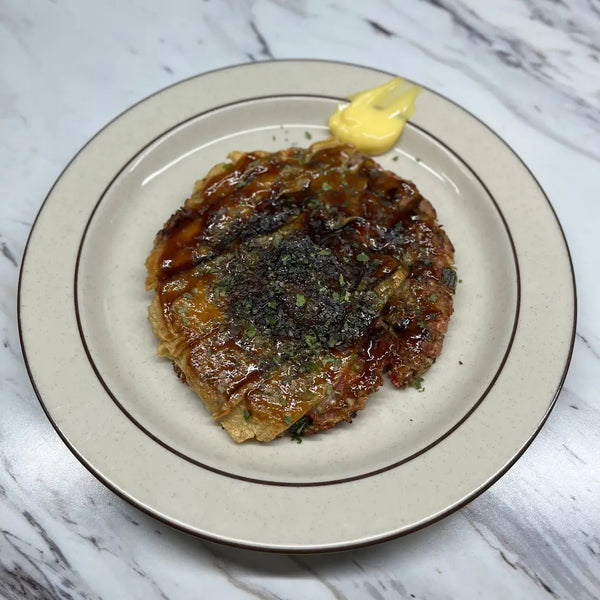
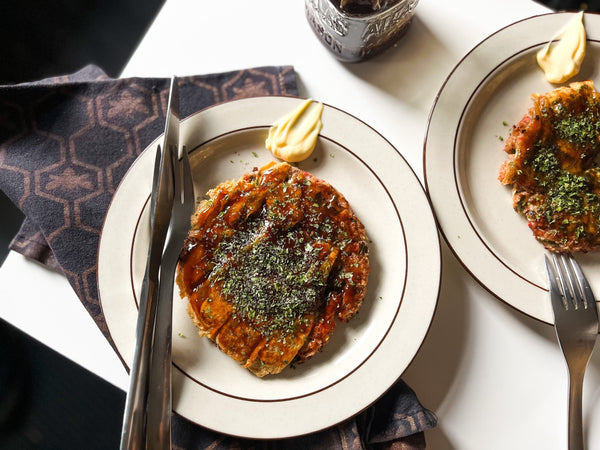
Vegan Okonomiyaki is like the plant-based remix of the classic Japanese savory pancake known as Okonomiyaki. While the original version comes from Osaka (Kansai), there is also a well-known style from Hiroshima. This recipe focuses on an Osaka-inspired Vegan Okonomiyaki.
Okonomiyaki batter is traditionally made with flour, grated nagaimo (a type of yam), water or dashi, eggs, and shredded cabbage. It is commonly mixed with ingredients such as green onion, pork, octopus, squid, shrimp, or cheese, then finished with signature toppings like okonomiyaki sauce, Japanese mayo, dried seaweed, and bonito flakes.
Osaka-style Okonomiyaki is especially known for its mixed-batter approach, where all ingredients are combined before cooking. This method creates an even texture throughout the pancake, delivering a balanced bite every time. Crisp edges, a tender interior, and well-distributed fillings are hallmarks of this style. Because of this structure, Osaka-style Okonomiyaki adapts particularly well to vegan cooking, allowing plant-based ingredients to integrate naturally into the batter.
When removing animal-based components, the focus shifts to recreating the overall experience rather than imitating individual ingredients. Texture, moisture, and savory depth must work together to maintain the comforting quality that defines Okonomiyaki. By emphasizing vegetables, carefully chosen flours, and umami-rich broth, the vegan version preserves the spirit of the original while offering a lighter, plant-forward alternative.
This thoughtful approach ensures that vegan Okonomiyaki remains satisfying and familiar, even for those accustomed to the traditional version. Rather than feeling like a compromise, it stands confidently as its own variation, rooted in the same cooking principles that make Okonomiyaki a beloved dish across Japan.
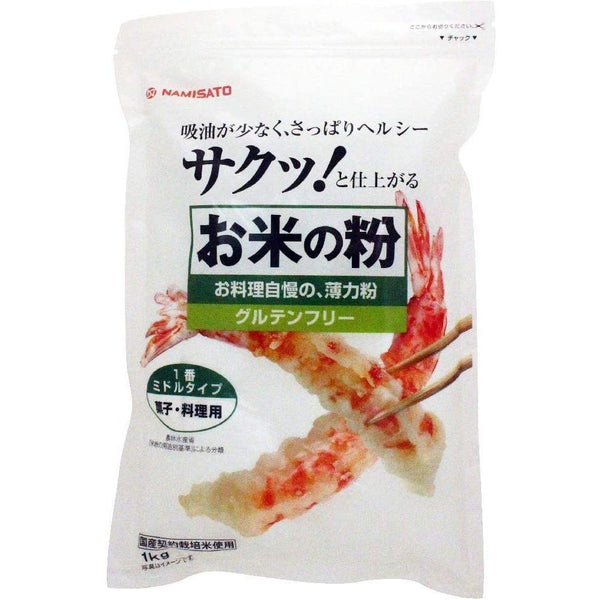
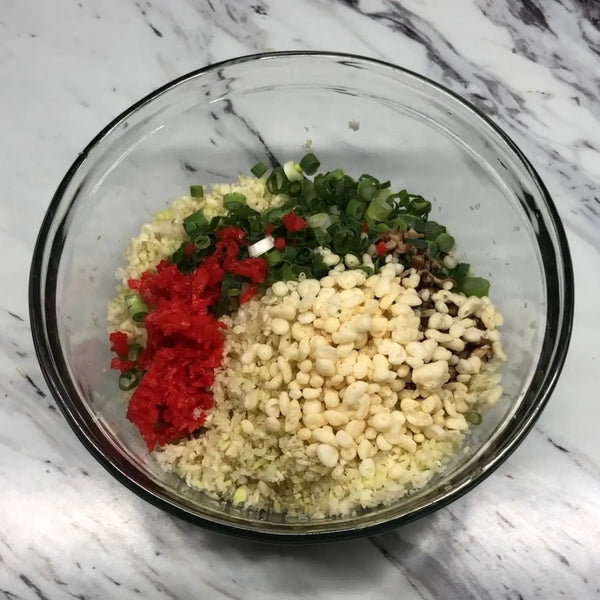
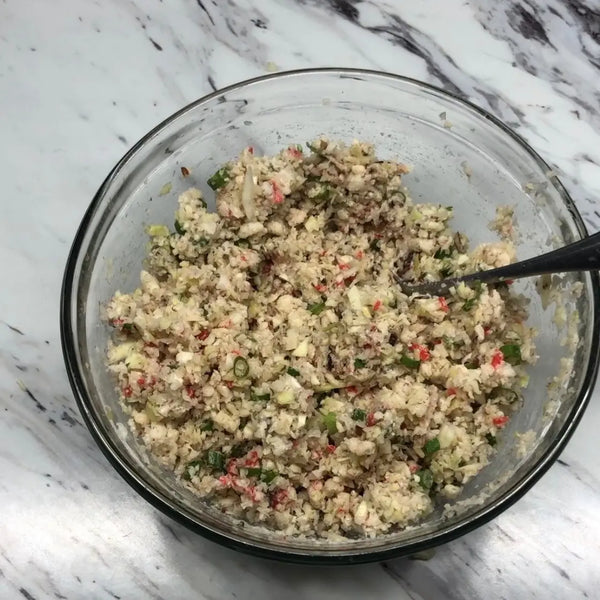
What makes vegan Okonomiyaki especially appealing is how closely it recreates the texture and satisfaction of the original, despite being completely plant based. The key lies in balance. Cabbage provides moisture and crunch, while a blend of rice flour and all-purpose flour creates a batter that is light yet sturdy enough to hold everything together.
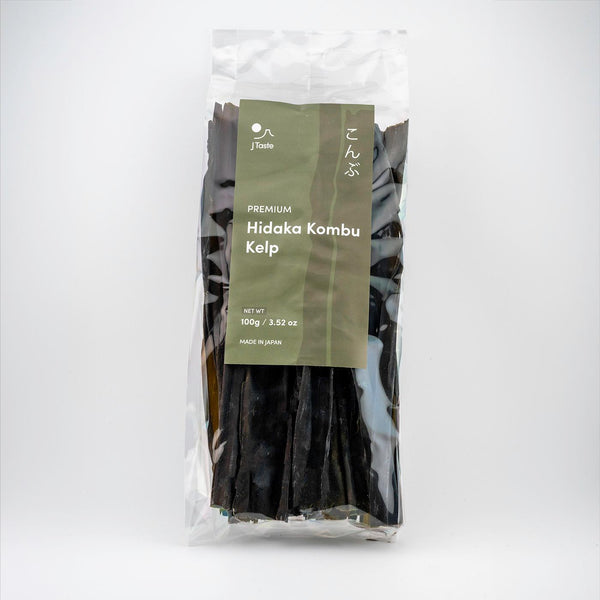
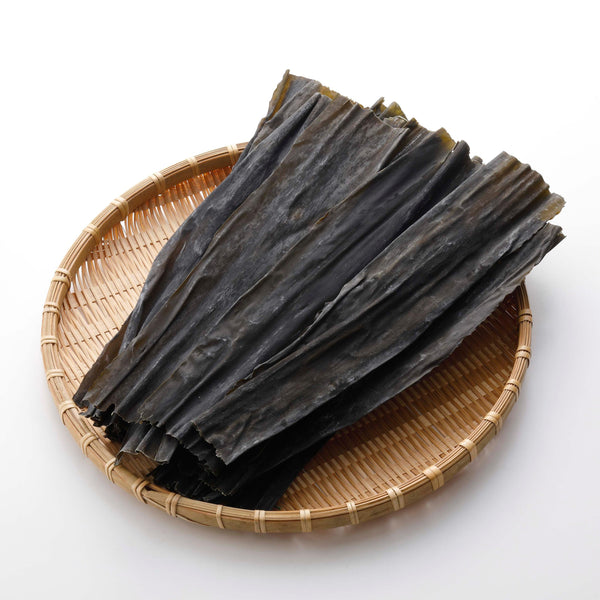
Using kombu and shiitake dashi adds natural umami, replacing the depth typically contributed by meat or seafood.
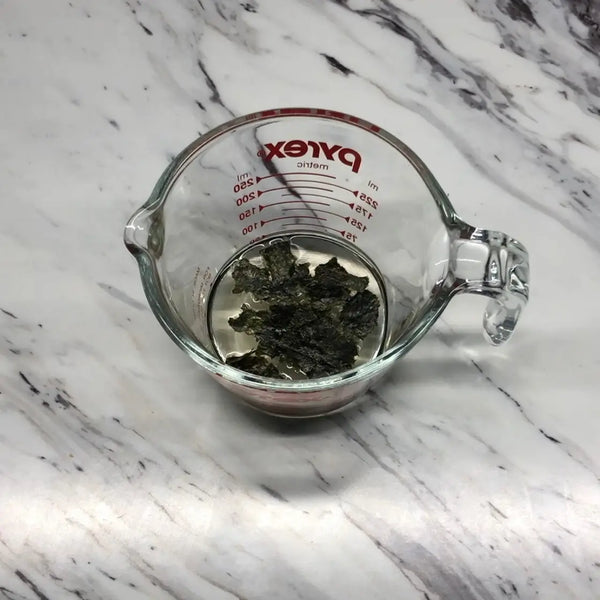
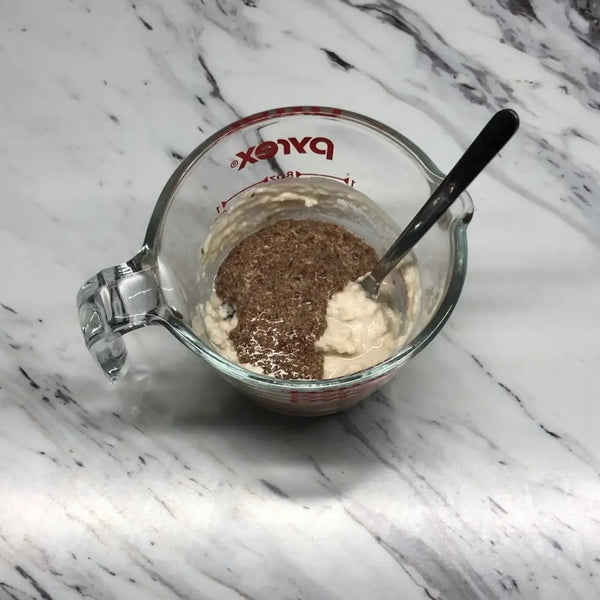
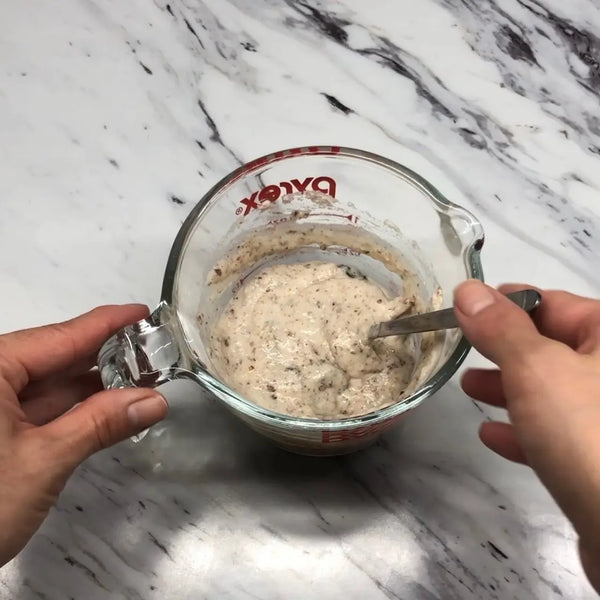
To replace eggs, ground flaxseed is mixed with water to form a gel-like mixture that helps bind the batter without making it heavy. Small pieces of nori blended into the batter further enhance the savory flavor, subtly echoing the ocean-like notes found in classic Okonomiyaki.
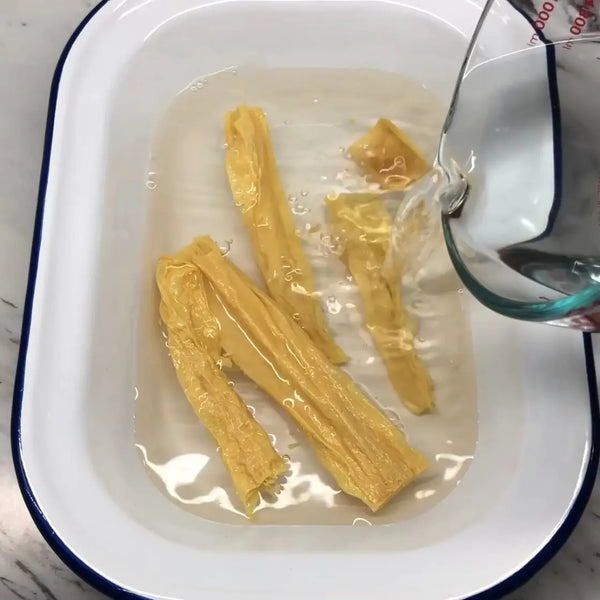
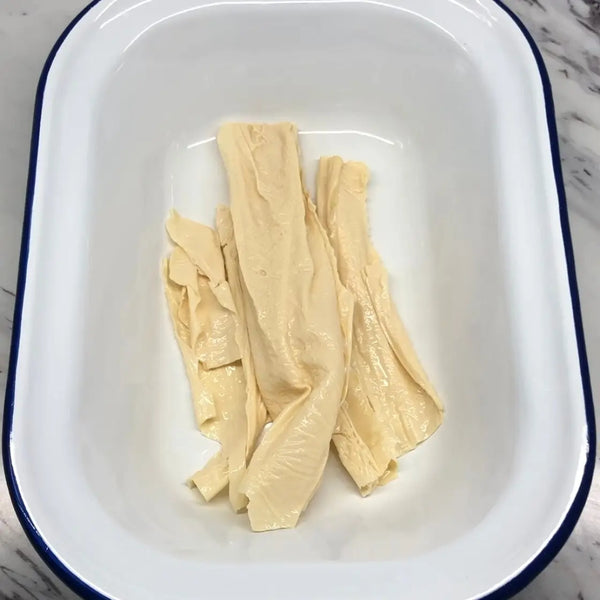
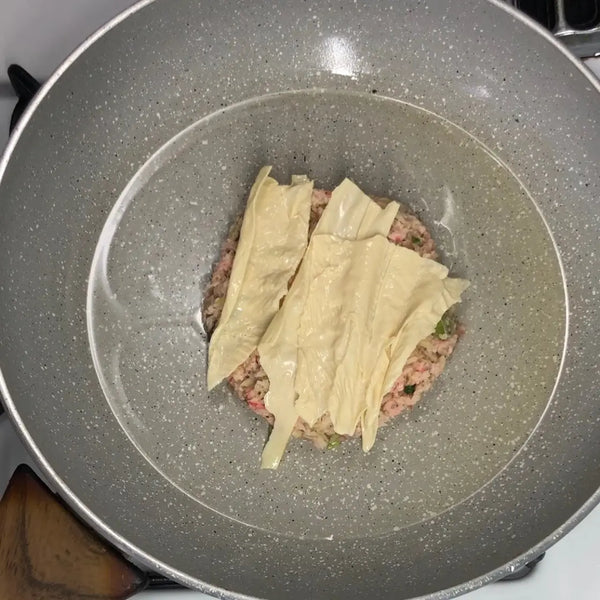
Another highlight of this vegan version is its flexibility. The fillings can easily be adjusted based on what you have available. Extra mushrooms add richness, while soybean curd sheets contribute both chewiness and protein. The thickness of the pancake can also be customized, thinner for crisp edges or slightly thicker for a softer, fluffier center.
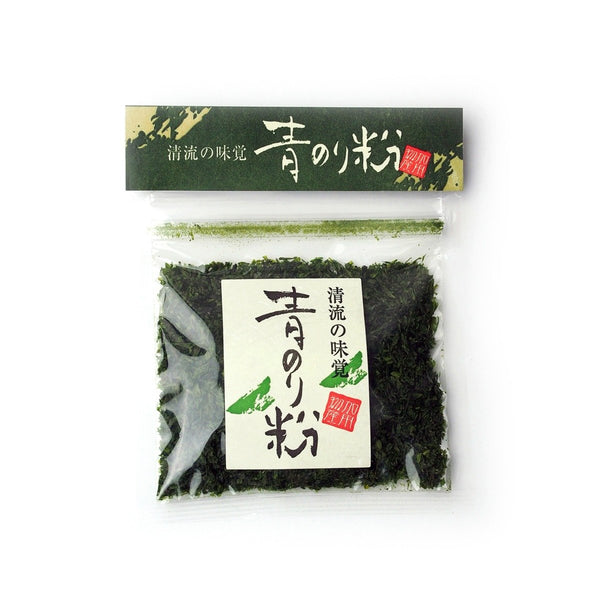
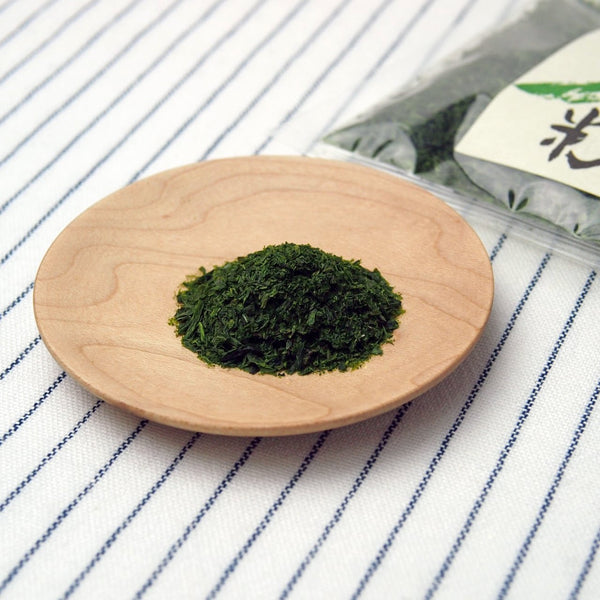
Finished with vegan okonomiyaki sauce, creamy vegan mayo, and a sprinkle of aonori or nori, each bite delivers the familiar sweet, tangy, and savory flavors that make Okonomiyaki so comforting.
Whether you follow a vegan lifestyle or simply want to explore plant-based Japanese cooking, this Vegan Okonomiyaki invites creativity and makes it easy to tailor the dish to your own taste.
Instructions
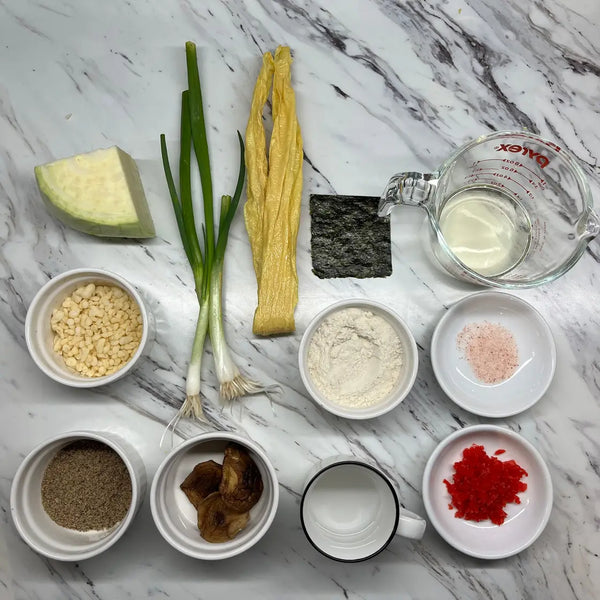
1) Gathering the Ingredients
2) Making a Flax Egg


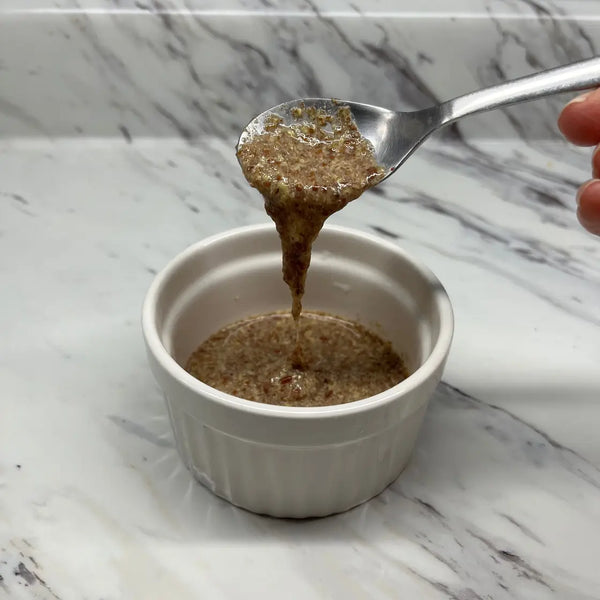
Expert's Tip
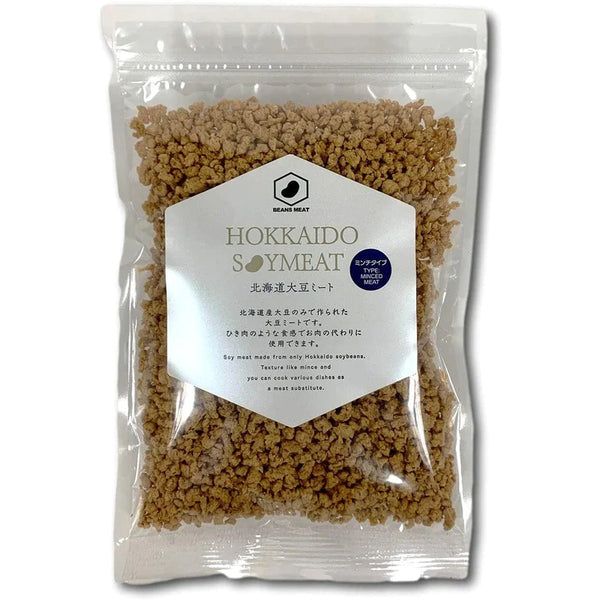
3) Preparing the Dried Bean Curd Sheet
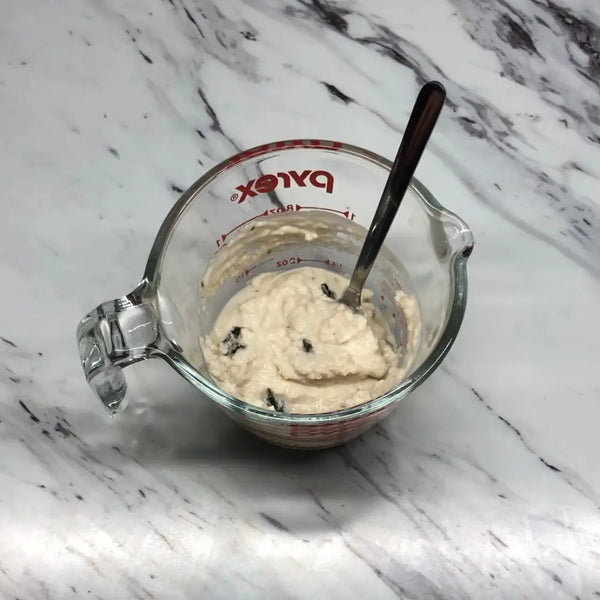
4) Making the Vegan Okonomiyaki Batter
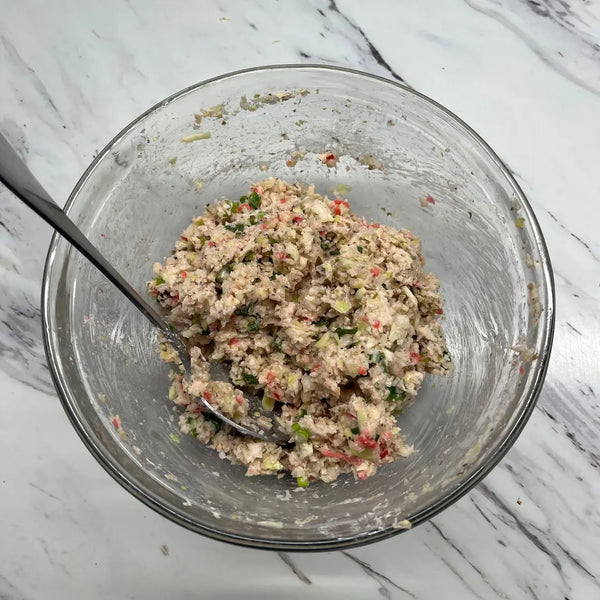
5) Chopping Up the Vegetables & Mixing Them Into the Batter
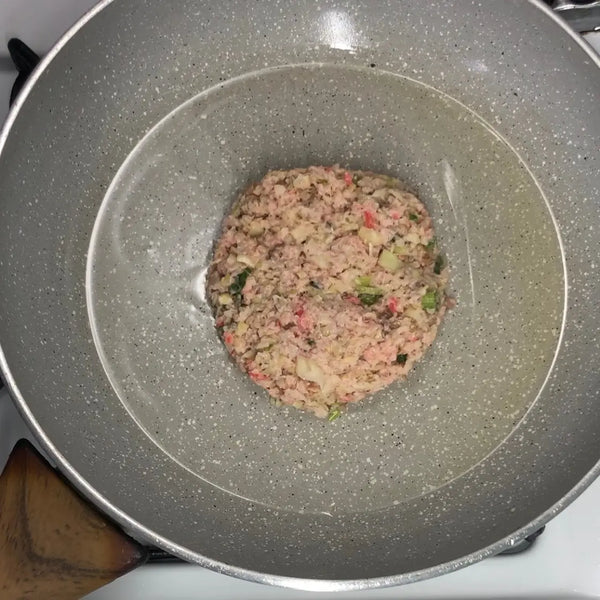
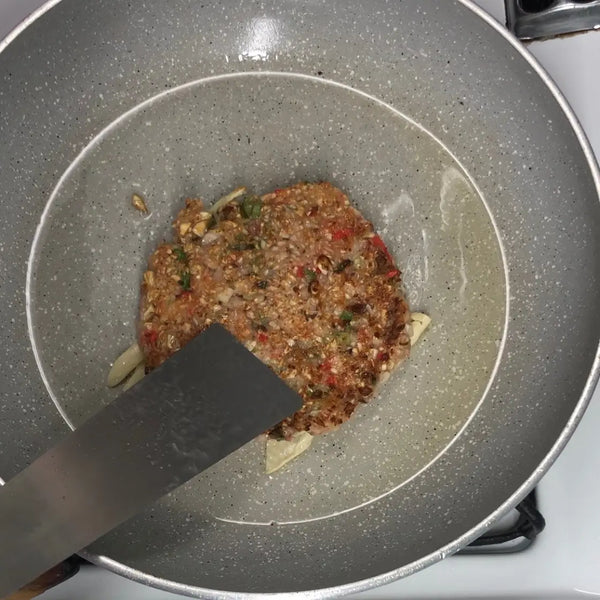
6) Cooking the Okonomiyaki

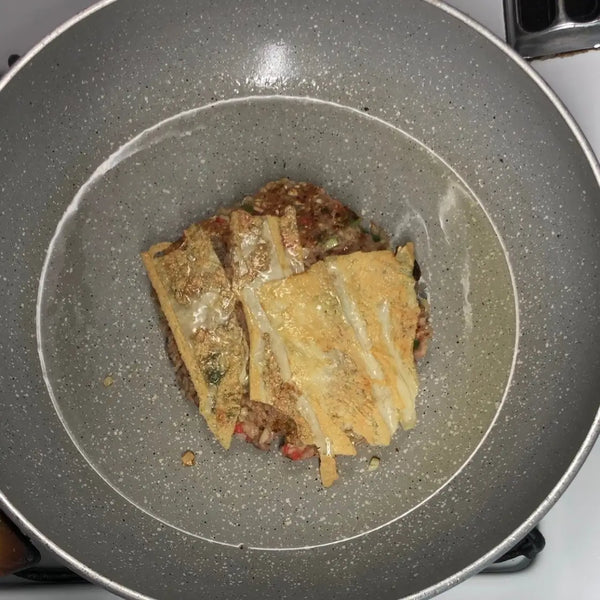
7) Plating the Okonomiyaki
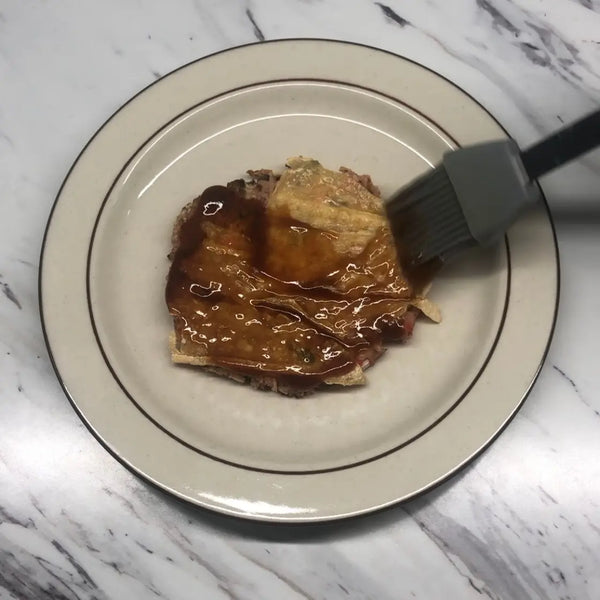
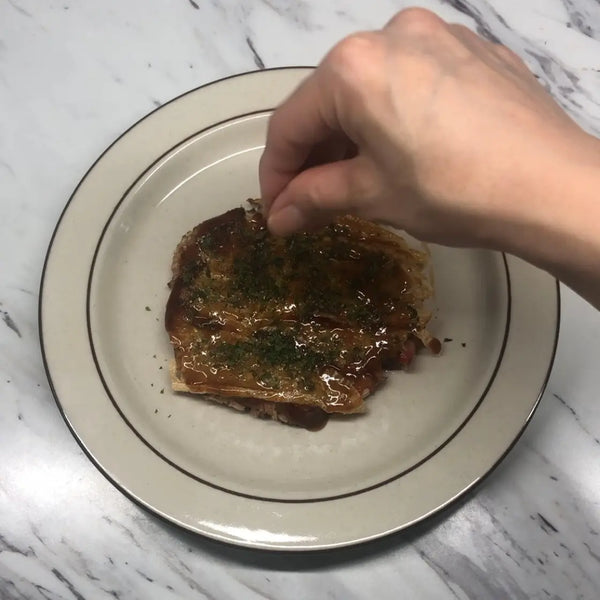
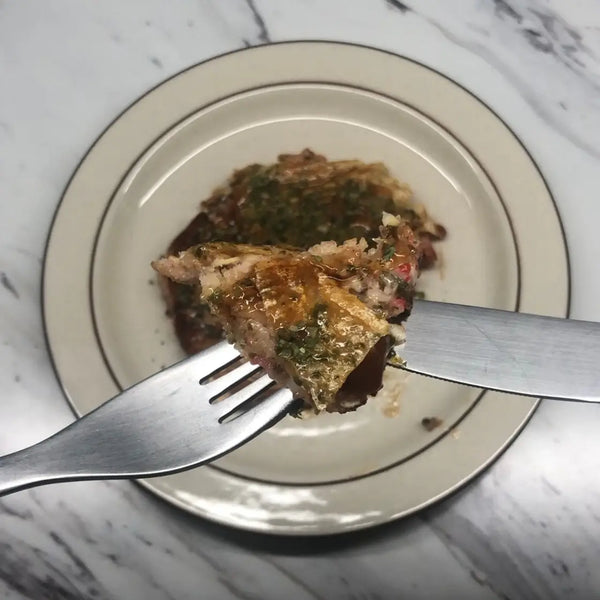
8) Enjoying the Vegan Okonomiyaki